The Missions
Chandrayaan 1 – 3
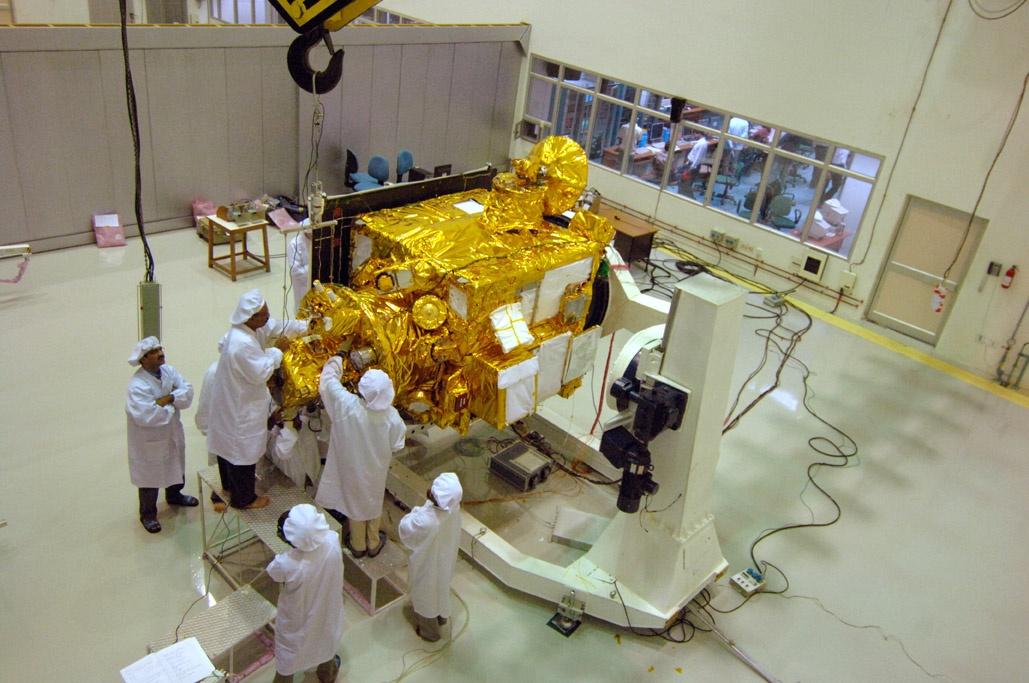
Mission 01 · 2008–09
Chandrayaan-1
India's first deep-space mission orbited the Moon over 3,400 times. Its Moon Impact Probe and NASA's M3 instrument provided the evidence that led to the discovery of water on the lunar surface — one of the most significant lunar findings of the century.
- Launched 22 October 2008
- Discovered water molecules on the Moon
- Mapped lunar surface chemistry & terrain
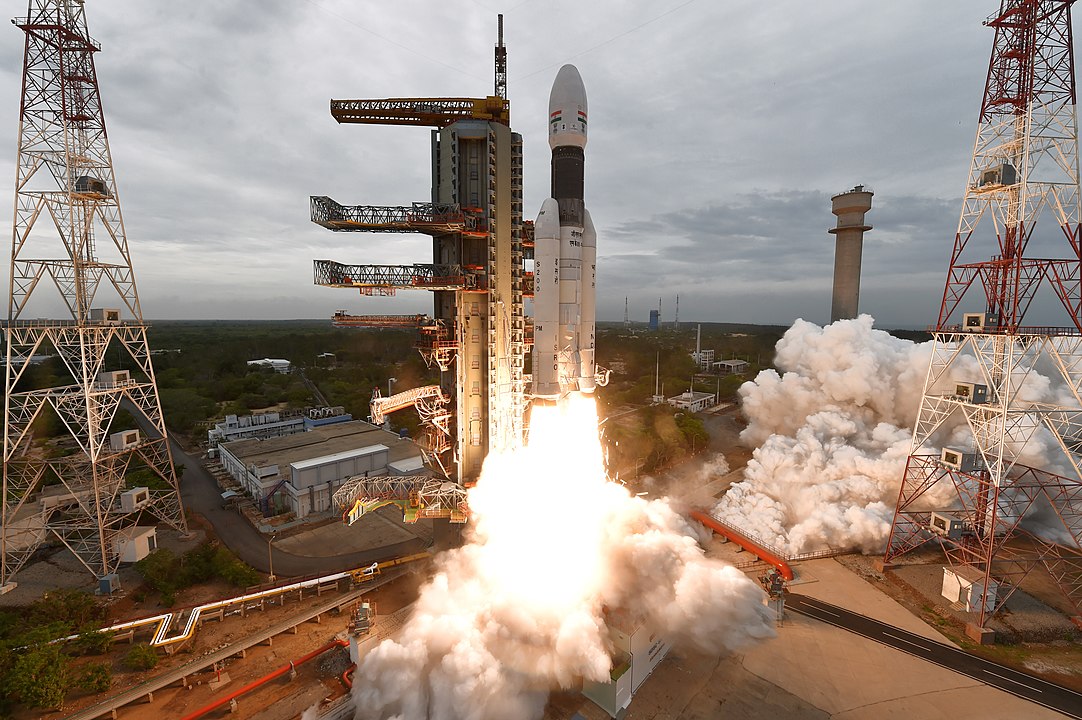
Mission 02 · 2019–present
Chandrayaan-2
Though the Vikram lander was lost minutes before touchdown, the orbiter continues to deliver science today — including the sharpest images of the lunar surface ever taken — and served as a communications relay for Chandrayaan-3.
- Launched 22 July 2019
- Highest-resolution lunar camera (OHRC)
- Orbiter still returning science data
- 2026: radar evidence of ice buried in polar craters
.jpg?width=640)
Mission 03 · 2023
Chandrayaan-3
On 23 August 2023, Vikram touched down at Shiv Shakti Point — the closest landing to the lunar south pole in history. The Pragyan rover drove across the surface, and the lander even performed a surprise "hop" experiment before lunar night.
- First landing near the lunar south pole
- Confirmed sulfur in polar soil (LIBS)
- First south-polar temperature profile & moonquake data
- Propulsion module later returned to Earth orbit